DEI Bundle For Doulas: Pack 2
-
You must log in to register
- Non-member - $90
- Member - $55
- Trainer - $55
Save with this Bundle, Priced at $55(members); $90(non-members)
Perinatal Health Equity for Indigenous People in the United States
American Indian/Alaska Native birthing people in the United States face profound inequities during and around the time of childbirth. This has long been true and continues to be true, with headline after headline indicating loss of maternity services in rural and tribal communities, workforce shortages, financial challenges, and safety concerns. These and other challenges result in growing disparities in maternal morbidity and mortality, with American Indian/Alaska Native people being at least 3 times more likely to die from a pregnancy-related cause than white people. Dr. Kozhimannil will discuss these and other barriers to safe and healthy birth for Indigenous people through examination of historical and contemporary factors that shape these inequities. She will also lead participants in looking forward by discussing clinical, public health, and policy efforts that may decrease maternal mortality and improve equity for Indigenous people, including through highlighting positive changes already happening in Indigenous communities across the country.
Growing Equity from the Roots Up: Using HEIA to Cultivate Thriving Doula Communities
Like a well-tended community garden, thriving doula programs require strong roots in community and careful cultivation. This interactive session explores how the Health Equity Impact Assessment (HEIA) tool can help doula programs grow from deep community roots toward unlimited heights of impact. Participants will learn to nurture equity from the ground up, identifying systemic barriers that may stunt growth, while developing strategies to help their programs/businesses flourish sustainably. Through hands-on activities and collaborative learning, attendees will cultivate practical skills for implementing HEIA in their own communities, ensuring their doula programs/businesses can weather challenges while reaching new heights of service, support, and impact. This session qualifies for 1.5 (DONA/DEI/CA-BRN) contact hours and was originally presented at the 2025 DONA Summit in Seattle, Washington.

The Role of Doulas in Advancing Birth Justice
Birth justice is a movement led by Black women and people of color that seeks to recognize systemic inequalities and empower people in communities in the pregnancy and birthing process. In 2023, Elephant Circle conducted a landscape analysis of birth justice in the US using mixed methods. A quarter of survey respondents identified as Doulas. This presentation examines the results of the analysis related to Doulas including their demographic characteristics, experiences of discrimination, involvement in networks, services provided, extent of community organizing work and advocacy activities, sustainability, and compensation. We will present insights on how to best support Doulas to provide Birth Justice services and avoid burnout and moral injury. Finally, we will reveal our interactive tool for advocacy and education about birth justice. The presentation will shed light on how to integrate, uplift, and replicate birth justice values and practices to improve equity in the care provided by Doulas. This session qualifies for 1 contact hour (DEI/Cultural Comp)
-
Contains 4 Component(s), Includes Credits
(1 CH, 1 CA-BRN), Welcome and Keynote: Perinatal Health Equity for Indigenous People in the United States
American Indian/Alaska Native birthing people in the United States face profound inequities during and around the time of childbirth. This has long been true and continues to be true, with headline after headline indicating loss of maternity services in rural and tribal communities, workforce shortages, financial challenges, and safety concerns. These and other challenges result in growing disparities in maternal morbidity and mortality, with American Indian/Alaska Native people being at least 3 times more likely to die from a pregnancy-related cause than white people.
Dr. Kozhimannil will discuss these and other barriers to safe and healthy birth for Indigenous people through examination of historical and contemporary factors that shape these inequities. She will also lead participants in looking forward by discussing clinical, public health, and policy efforts that may decrease maternal mortality and improve equity for Indigenous people, including through highlighting positive changes already happening in Indigenous communities across the country.
*This session was originally recorded live as part of the 2024 DONA Summit.
Provider approved by the California Board of Registered Nursing, Provider #17981, for 1.00 Contact Hours. Licensee must retain this document for a period of four years after the course concludes.
Dr. Katy Backes Kozhimannil
PhD, MPA
Katy Backes Kozhimannil, PhD, MPA is the Distinguished McKnight University Professor in the Division of Health Policy and Management, University of Minnesota School of Public Health. She is Director of the University of Minnesota Rural Health Research Center and Co-Director of the University of Minnesota Rural Health Program. Dr. Kozhimannil lives on Dakota land (Mahto Bde).
Dr. Kozhimannil conducts research to inform health policy that impacts critical times in the lifecourse, including pregnancy and childbirth. The goal of her work is to contribute to the evidence base for clinical and policy strategies to advance racial, gender, and geographic equity.
Media coverage of her Dr. Kozhimannil’s research, including stories by the New York Times, Washington Post, and National Public Radio, has generated dialogue and policy action at local, state, and national levels. In 2013, Dr. Kozhimannil’s groundbreaking research was the first to bridge clinical evidence of the benefits of doulas support with policy efforts to increase access to these services by showing potential cost savings to state Medicaid programs that offer coverage of doula services. Findings from this research has led to laws in many U.S. states to increase access to doula care, including through Medicaid reimbursement.
-
Contains 3 Component(s), Includes Credits
(1.5 CH), This session introduces the Health Equity Impact Assessment (HEIA) tool as a framework for building sustainable, community-rooted doula programs. Participants will learn to identify systemic barriers, apply equity-focused strategies, and develop practical skills through hands-on activities and collaboration. The goal is to equip doulas to strengthen their programs and expand their impact with equity at the center.
Growing Equity from the Roots Up: Using HEIA to Cultivate Thriving Doula Communities
Like a well-tended community garden, thriving doula programs require strong roots in community and careful cultivation. This interactive session explores how the Health Equity Impact Assessment (HEIA) tool can help doula programs grow from deep community roots toward unlimited heights of impact. Participants will learn to nurture equity from the ground up, identifying systemic barriers that may stunt growth, while developing strategies to help their programs/businesses flourish sustainably. Through hands-on activities and collaborative learning, attendees will cultivate practical skills for implementing HEIA in their own communities, ensuring their doula programs/businesses can weather challenges while reaching new heights of service, support, and impact. This session qualifies for 1.5 (DONA/DEI/CA-BRN) contact hours and was originally presented at the 2025 DONA Summit in Seattle, Washington.
SPEAKER
Tonya Daniel
Tonya Daniel
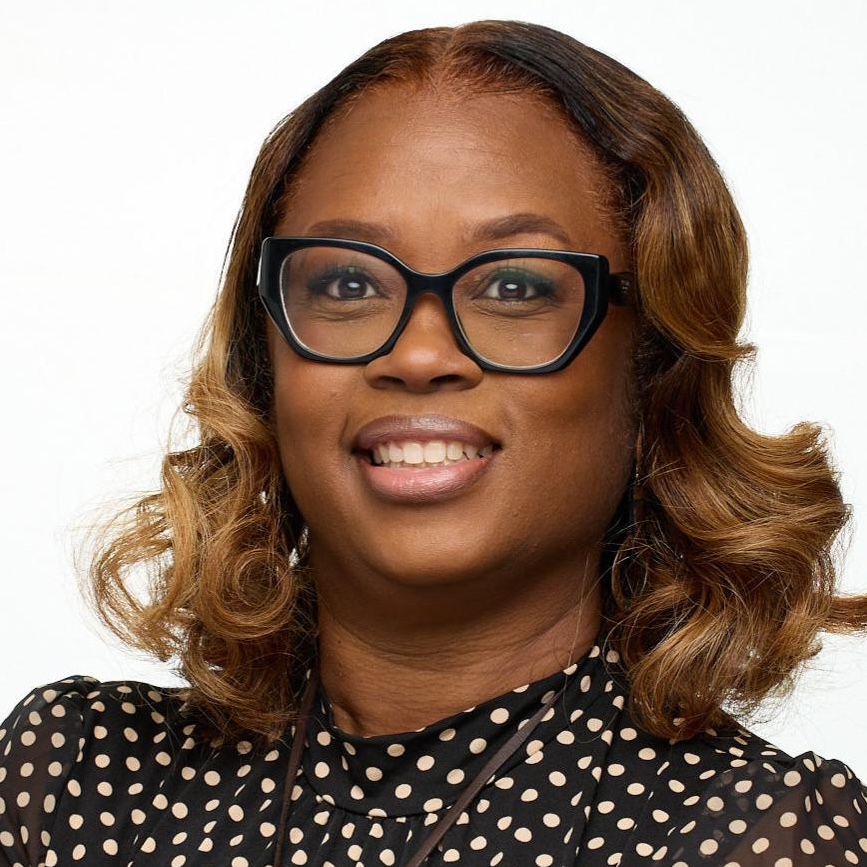
Tonya Daniel is a seasoned advocate for maternal health, boasting nearly two decades of experience as a Public Health Maternal Health Program Manager, DONA certified birth doula and trainer, Lamaze certified childbirth educator and International Board Certified Lactation Consultant. Her expertise spans globally, from training birth workers in the US, Kenya, and Kuwait to consulting on family-centered programs. With degrees in Sociology and Health Leadership, she leverages her diverse background to positively influence lives, offering crucial support to expectant families in North Carolina and advocating for better maternal and child health globally. Tonya’s passion is in program innovation. Her mission extends beyond borders as she collaborates with organizations (both public and private sectors) to enhance doula and breastfeeding advocacy, striving to reduce maternal and infant mortality rates. Yet, her ultimate joy lies in being a devoted wife and mother, marking her true legacy.
-
Contains 4 Component(s), Includes Credits
(1 CH), Birth justice is a movement led by Black women and people of color that seeks to recognize systemic inequalities and empower people in communities in the pregnancy and birthing process. The presentation will shed light on how to integrate, uplift, and replicate birth justice values and practices to improve equity in the care provided by Doulas.
Birth justice is a movement led by Black women and people of color that seeks to recognize systemic inequalities and empower people in communities in the pregnancy and birthing process. In 2023, Elephant Circle conducted a landscape analysis of birth justice in the US using mixed methods. A quarter of survey respondents identified as Doulas. This presentation examines the results of the analysis related to Doulas including their demographic characteristics, experiences of discrimination, involvement in networks, services provided, extent of community organizing work and advocacy activities, sustainability, and compensation. We will present insights on how to best support Doulas to provide Birth Justice services and avoid burnout and moral injury. Finally, we will reveal our interactive tool for advocacy and education about birth justice. The presentation will shed light on how to integrate, uplift, and replicate birth justice values and practices to improve equity in the care provided by Doulas. This session qualifies for 1 contact hour (DEI/Cultural Comp)
Indra Lucero
ESQ
Indra is a birth justice attorney who loves to tackle new territory, dive-in to cutting-edge issues and ideas, and navigate periods of change and uncertainty. Indra is the founder of Elephant Circle and the Birth Rights Bar Association, and served as Staff Attorney at National Advocates for Pregnant Women. Indra practices a multidisciplinary approach including legal advocacy, community-based lobbying and rulemaking, community organizing, arts and education. Indra regularly speaks about birth justice, informed consent, and policy approaches to substance use and pregnancy. Indra received a J.D. from the University of Denver. Indra conceptualized and lead the Birth Justice Landscape Analysis, including convening the team of diverse researchers.